Saturday : 8.30am – 4.00pm

Why Are Dental Implants the Best Solution for Missing Teeth?
Losing a tooth can be a distressing experience, affecting both the functionality of your mouth and the appearance of your smile. Among various tooth replacement options, dental implants stand out as the most reliable and effective solution. This article explores why dental implants are the superior choice for addressing missing teeth, incorporating key attributes, benefits, and detailed comparisons to other alternatives.
What Are Dental Implants?
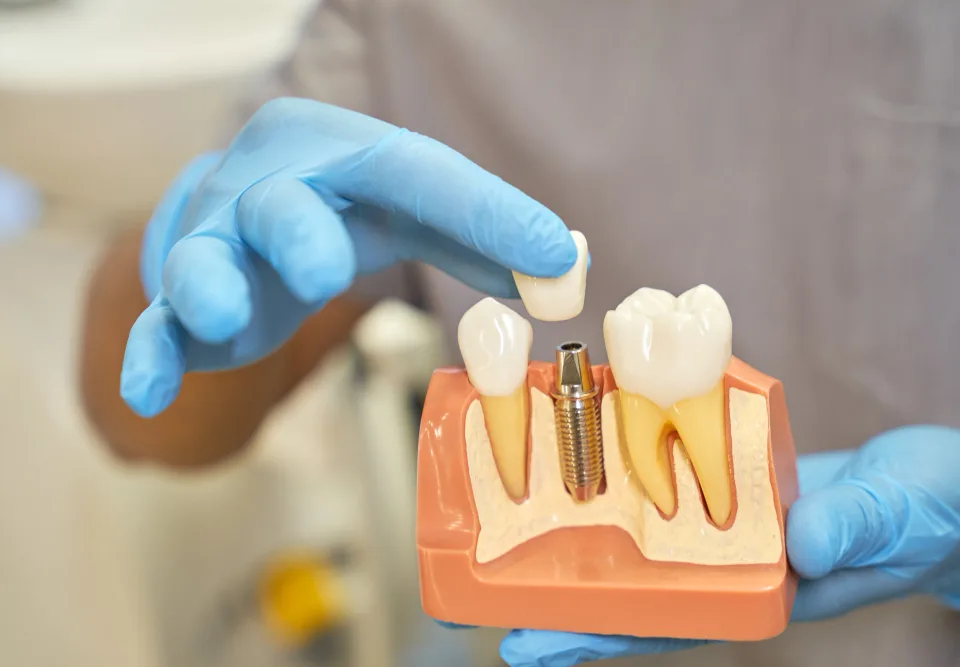
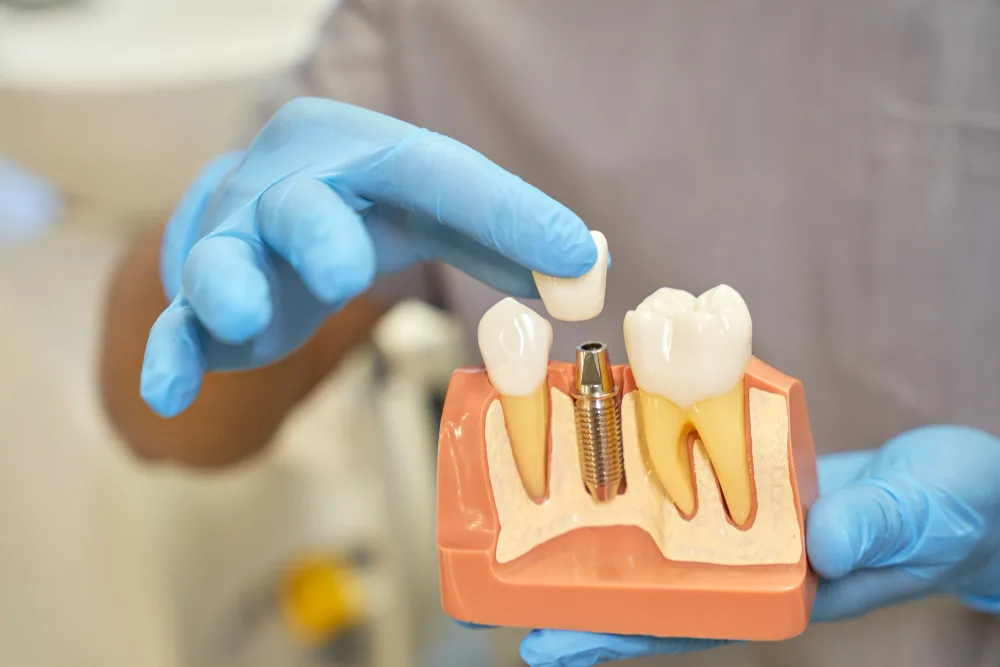
Dental implants are artificial tooth roots made from biocompatible materials, typically titanium, that are surgically placed into the jawbone. These implants provide a stable foundation for fixed or removable prosthetic teeth, ensuring they look, feel, and function like natural teeth.
Why Choose Dental Implants Over Other Options?
Longevity and Durability
One of the most significant advantages of dental implants is their longevity. While dental bridges and removable dentures need replacement every few years, dental implants can last 15-25 years or even a lifetime with proper care. This makes them a more cost-effective solution in the long run.
Biocompatibility and Bone Preservation
Dental implants are made from titanium, a material known for its biocompatibility. This means it integrates well with the bone, a process known as osseointegration. Unlike other tooth replacement options that do not interact with the bone, implants help preserve the jawbone, preventing bone loss and maintaining facial structure.
Aesthetics and Functionality
Implants provide excellent aesthetics, matching the natural look of your teeth. They also restore full functionality, allowing you to eat, speak, and smile confidently. Compared to dentures that can slip or cause discomfort, implants are securely anchored, providing superior comfort and stability.
What Is the Dental Implant Procedure Like?
Initial Consultation and Planning
The journey towards getting dental implants begins with a comprehensive consultation. During this visit, your dentist will conduct a thorough examination, including X-rays and 3D imaging, to assess the health of your jawbone and plan the placement of the implants.
Surgical Procedure
The implant placement involves a minor surgical procedure. Under local anaesthesia, a small incision is made in the gum to expose the bone, where a hole is drilled to place the implant. The gum is then stitched back, and the healing process begins.
Healing and Osseointegration
Osseointegration is a critical phase where the bone grows around the implant, securing it firmly in place. This process can take several months, but it is essential for the long-term success of the implant.
Abutment Placement and Final Restoration
Once osseointegration is complete, a small connector called an abutment is attached to the implant. This abutment will hold the prosthetic tooth, which is custom-made to match your natural teeth in size, shape, and colour.
What Types of Dental Implants Are Available?
Endosteal Implants
The most common type, endosteal implants, are placed directly into the jawbone. They are typically shaped like small screws and serve as the root of the new tooth.
Subperiosteal Implants
These are used when there is insufficient jawbone height. They are placed under the gum but above the jawbone.
Zygomatic Implants
Used in cases of severe bone loss, zygomatic implants are anchored in the cheekbone rather than the jawbone.
All-on-4 Implants
This technique allows for the placement of a full arch of teeth using only four implants, offering a cost-effective and less invasive option for full-mouth restoration.
What Are the Benefits of Dental Implants?
- Long-lasting and Durable: With a high success rate, implants provide a permanent solution to tooth loss.
- Improved Oral Health: They help maintain jawbone health and prevent adjacent teeth from shifting.
- Enhanced Appearance: Implants look and feel like natural teeth.
- Better Comfort and Fit: They eliminate the discomfort associated with removable dentures.
- Improved Speech: Unlike dentures that can slip, implants provide a stable foundation for clear speech.
- Easier Eating and Chewing: Implants function like natural teeth, allowing you to eat your favourite foods without restriction.
- High Success Rate: The success rate of dental implants is approximately 95%, making them a reliable option.
- Preservation of Jawbone: By preventing bone loss, implants maintain the structure of your face.
- No Need for Removable Dentures: Implants offer a fixed solution, eliminating the need for removable dentures.
- Low Maintenance: With proper care, dental implants require less maintenance compared to other tooth replacement options.
How Do Dental Implants Compare to Other Tooth Replacement Options?
Comparison Table
| Attribute | Dental Implants | Dental Bridges | Removable Dentures |
| Longevity | 15-25 years | 5-10 years | 5-7 years |
| Stability | Very high | High | Moderate |
| Aesthetics | Excellent | Good | Variable |
| Bone Preservation | Yes | No | No |
| Comfort | High | Moderate | Low |
| Cost | High | Moderate | Low |
| Maintenance | Low | Moderate | High |
Success Rates of Dental Implants by Location
| Implant Location | Success Rate |
| Lower Jaw (Anterior) | 98% |
| Upper Jaw (Anterior) | 95% |
| Lower Jaw (Posterior) | 95% |
| Upper Jaw (Posterior) | 90% |
How Much Do Dental Implants Cost?
The cost of dental implants can vary depending on several factors, including the number of implants needed, the complexity of the procedure, and the type of implants used. On average, dental implants can range from AUD 3,000 to AUD 7,000 per tooth. Financing options, such as interest-free payment plans, are available to help manage the cost.
Are Dental Implants Suitable for Everyone?
While dental implants are an excellent solution for many people, they may not be suitable for everyone. Candidates for dental implants need to have healthy gums and sufficient bone to support the implant. Certain conditions, such as uncontrolled diabetes or heavy smoking, can affect the success of the procedure. A thorough evaluation by your dentist is essential to determine your suitability.
How Can You Maintain Dental Implants?
Maintaining dental implants involves regular dental check-ups and good oral hygiene practices. Brushing twice a day, flossing daily, and using an antimicrobial mouthwash can help keep your implants and surrounding tissues healthy. Regular visits to your dentist will ensure that any potential issues are detected early and managed appropriately.
Why Should You Consider Dental Implants from Coastal Dental?
At Coastal Dental, we specialise in providing high-quality dental implants tailored to meet your individual needs. Our experienced team uses the latest technology and techniques to ensure the best possible outcomes for our patients. If you are considering dental implants, contact us today for a consultation and take the first step towards restoring your smile and improving your oral health.
By understanding the comprehensive benefits and superior functionality of dental implants, you can make an informed decision about the best solution for missing teeth. With their high success rates, long-lasting results, and natural appearance, dental implants truly stand out as the optimal choice for tooth replacement.
References:
- Australian Dental Association. (2023). “Dental Implants: A Comprehensive Review.” Retrieved from https://www.ada.org.au/Dental-Professionals/Publications/Dental-Journals
- Journal of Oral and Maxillofacial Surgery. (2022). “Osseointegration and Dental Implants.” Retrieved from https://www.joms.org/article/S0278-2391(21)00900-0/fulltext
- Australian Dental Journal. (2022). “The Cost and Longevity of Dental Implants.” Retrieved from https://onlinelibrary.wiley.com/journal/18347819
FAQs
1. What are dental implants made of?
Dental implants are typically made from titanium, a biocompatible material that integrates well with the jawbone. This ensures stability and longevity. In some cases, zirconia implants are used as a metal-free alternative for those with metal sensitivities.
2. How long does the dental implant process take?
The dental implant process can vary depending on individual cases but generally takes several months. After the initial consultation and planning, the implant placement surgery is followed by a healing period of 3-6 months for osseointegration. Once the implant has fused with the bone, the abutment and prosthetic tooth are placed.
3. Are dental implants painful?
Most patients report that the dental implant procedure is less painful than expected. Local anaesthesia is used during the surgery to ensure comfort. Post-operative pain and discomfort can be managed with over-the-counter pain relievers and typically subside within a few days.
4. What is the success rate of dental implants?
Dental implants have a high success rate of approximately 95%. Success rates can vary depending on the location of the implant in the jaw, the patient’s health, and adherence to post-operative care instructions. Regular dental check-ups and good oral hygiene practices contribute to the long-term success of implants.
5. How do I care for my dental implants?
Caring for dental implants is similar to caring for natural teeth. This includes brushing twice a day, flossing daily, and using an antimicrobial mouthwash. Regular dental check-ups are essential to monitor the health of the implants and surrounding tissues. Avoiding smoking and maintaining good oral hygiene can enhance the longevity of your implants.
6. Are dental implants suitable for everyone?
While dental implants are an excellent solution for many, they are not suitable for everyone. Candidates need to have healthy gums and sufficient jawbone to support the implant. Certain conditions, such as uncontrolled diabetes or heavy smoking, can affect the success of the procedure. A thorough evaluation by your dentist is necessary to determine suitability.
If you are considering dental implants and want to learn more, contact Coastal Dental for a consultation. Our experienced team is ready to help you achieve a healthier, more confident smile.